
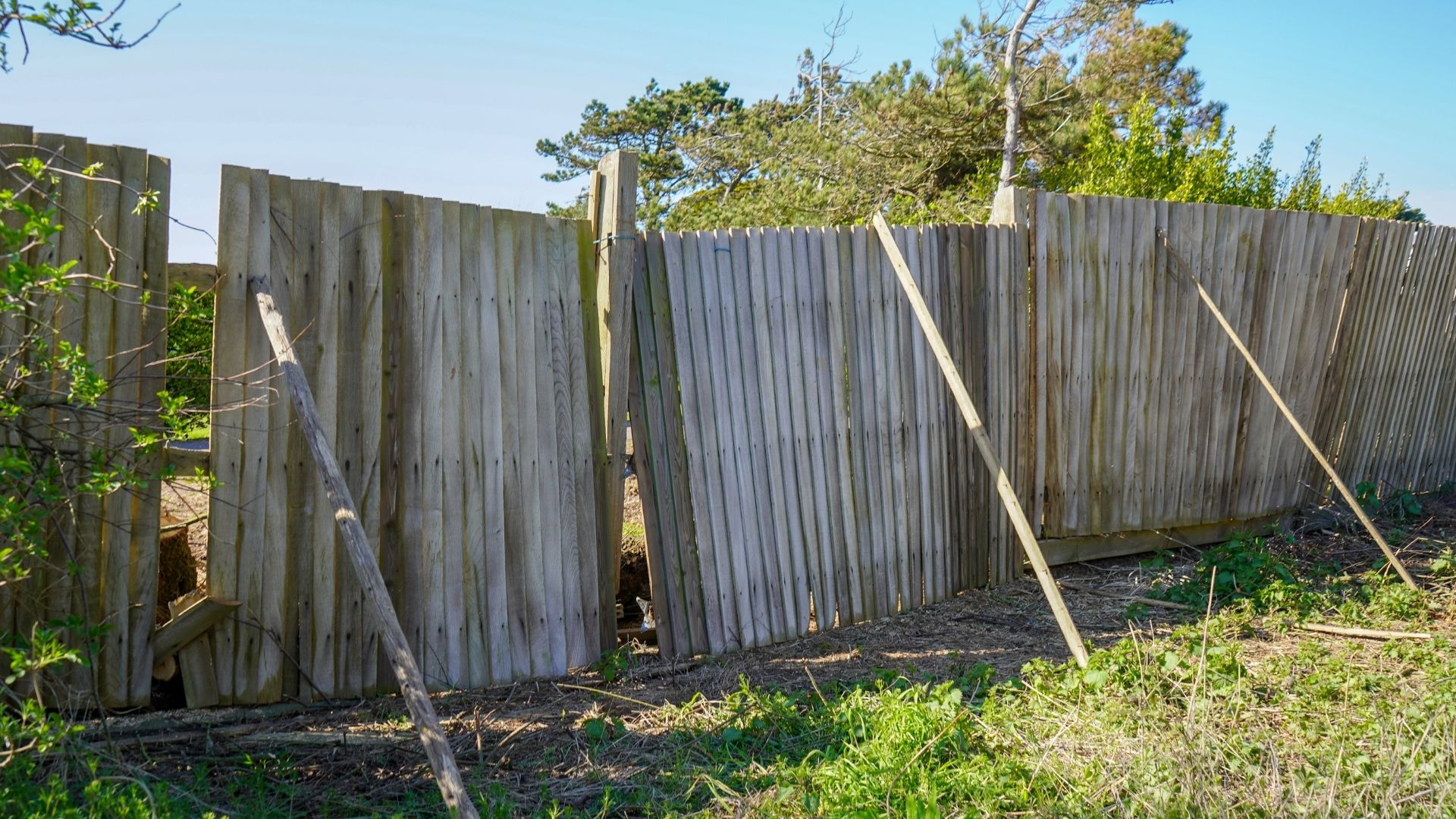
Most old fences do not fall over. They lean, then they lean further, then a panel comes loose in a storm and the decision gets made for you.
By the time a new fence is booked, the old one still has to come out and go somewhere, and that part is often left until last. Here is what is worth sorting before the palings start coming off.
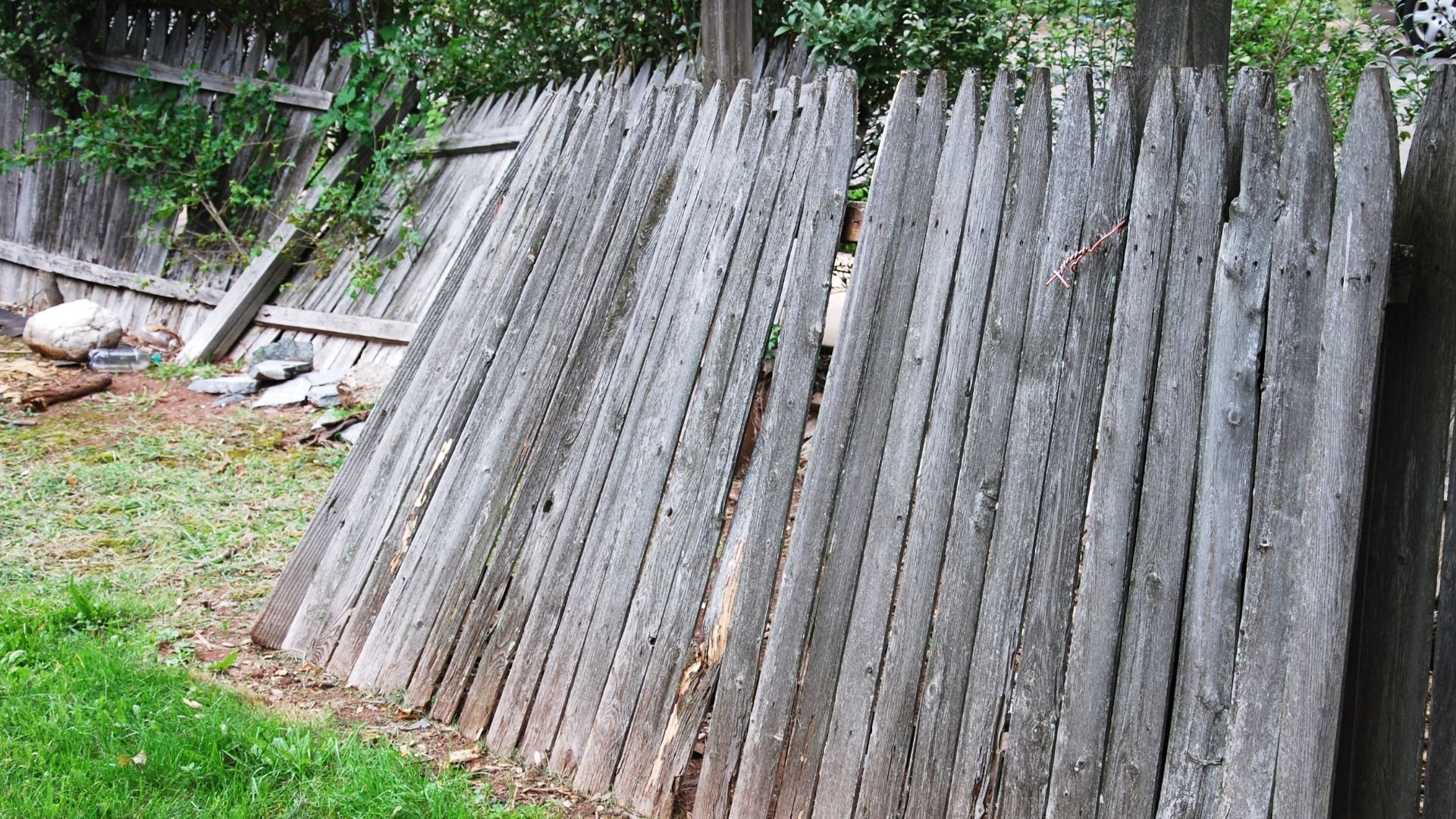
Sort the neighbour conversation before the fence comes out
If it is a dividing fence between two properties, this is the first thing to deal with and the one most likely to cause grief later.
In New South Wales the Dividing Fences Act 1991 sets out how neighbours share the cost of a dividing fence and how to go about agreeing on it. NSW Fair Trading publishes plain guidance on how that works, including what to do when you cannot reach agreement. It is worth reading before you commit to anything, rather than after the old fence is on a truck and the conversation turns awkward.
Practically, the thing to settle is simple. Both sides should know when the fence is coming out, that the boundary will be open for a period, and who is paying for what. A short conversation beforehand costs nothing. Removing a shared fence without mentioning it does not go well.
What an old fence removal actually involves
It depends almost entirely on what is holding it up.
Timber paling fences come apart in a predictable order. Palings off first, then the rails, then the posts. The palings are quick. The posts are the job, because hardwood posts were usually concreted in and they do not lift out by hand.
Colorbond fences are faster to strip and more awkward to handle. The sheets come out of the rails easily enough, but they are long, sharp on the cut edges and they do not stack neatly. Posts are again set in concrete.
Older boundary fences turn up in other materials too. Chain wire on steel posts, timber lattice on a low brick base, and the occasional run of hardwood that has outlasted everything around it. Each changes the time more than the price of the job.
The question of the posts and footings
This is the decision worth making before anyone starts, because it is the one that affects the fencer more than it affects us.
Concreted posts can be dug out with the footing attached, which leaves a line of holes along the boundary, or cut off at ground level, which leaves the footings in the ground. Which one you want depends on where the new fence posts are going. If the new fence follows the same line, old footings sitting in the way become the fencer’s problem on their first morning.
The straightforward move is to ask the fencer what they want before booking the removal. They will have a clear preference, it takes one phone call, and it saves the situation where the fence crew arrives and cannot dig where they need to.
One thing to check before anything gets broken up
Some older Sydney boundary and side fences are not timber or steel at all. They are flat grey fibre cement sheeting, often fixed to steel posts, and in fences of a certain age that material may contain asbestos.
If a fence looks like flat sheet rather than palings or Colorbond, stop before anything is snapped, cut or broken up, and get it identified. SafeWork NSW and your local council both publish guidance on how that material is identified and who is licensed to handle it. This is not a judgement call to make in the yard on a Saturday. Identify it first, then find out what the correct path is.
What happens to the old fence timber
Fence material sorts into a few streams. Steel posts, Colorbond sheeting and chain wire go one way. Timber goes another. Concrete footings go somewhere else again.
The point worth making, because someone always offers, is about treated pine. Most modern fence palings, rails and posts are treated timber, and treated pine should not be burned. Burning it concentrates the preservative chemicals into the smoke and the ash, so it does not belong in a fire pit, a wood heater or a backyard burn off. Old fence palings look like free firewood and they are not.
Hardwood palings off a genuinely old fence are a different matter and are sometimes worth keeping if you have a use for them. If you want a stack held back rather than loaded, say so before the job starts.
What else goes on the truck with the fence
A fence line is rarely clean. Whatever has been growing along it, and whatever has been quietly stored against it, has usually been there as long as the fence has.
- The growth along the fence line: creepers, overgrown shrubs and the roots that pulled the fence over in the first place.
- Timber offcuts and old palings: the stack from the last repair, leaning against the shed.
- Pots and garden edging: the row that lived along the fence and never moved.
- Old outdoor furniture and equipment: whatever has been parked out of sight along that side of the yard.
- Green waste from clearing the line: the fencer needs the boundary clear to work, and that clearing produces its own load.
Since the fence line has to be cleared for the new fence anyway, sending it all at once uses the truck properly and leaves the boundary ready for the fencer rather than half ready.
The gap between the old fence and the new one
Worth planning for, because it catches people out.
Between the old fence coming out and the new one going up, the boundary is open. If there are dogs, small children or a pool in the yard, that gap needs a plan before the removal, not after it. Temporary fencing, keeping the dog inside, or simply timing the removal to the morning the fencer starts are all reasonable answers. Having no answer is the one that causes problems.
If the yard has a pool, the pool barrier requirements do not pause because the boundary fence is out. Where the boundary fence forms part of the pool barrier, that needs sorting with your certifier before anything comes down.
Booking an old fence removal in Sydney
Fence removal sits inside our backyard demolition and junk removal work, and the growth and cuttings from clearing the line travel on the same truck under green waste removal.
When you call, describe the run: roughly how many metres, timber or Colorbond or wire, whether the posts are concreted, and what else along that side of the yard is going. Mention the fencer’s start date if there is one, because the removal is easier to time around it than the other way round.
Two related reads: council hard waste compared with private junk removal, which is worth knowing before fence timber goes on the kerb, and skip bag compared with a skip bin if you would rather strip the fence yourself over a weekend and fill something as you go.
Frequently asked questions
Should the old fence come out before the fencer arrives?
Usually yes, and most fencers prefer it. A cleared boundary means they can start setting out on their first morning instead of spending half a day stripping and stacking. Ask your fencer what they want, because some quote the removal as part of the job and others do not touch it, and the answer decides whether you need us at all.
Can you take the concrete footings from the old fence posts?
Yes. They can come out with the posts attached, which leaves holes along the line, or the posts can be cut at ground level with the footings left buried. The right answer depends on where the new posts are going, so check with the fencer first and tell us what they said before we start work.
Do I need my neighbour’s agreement to remove a dividing fence?
A dividing fence involves both properties, so it is a conversation to have rather than a decision to make alone. The Dividing Fences Act 1991 covers how New South Wales neighbours agree on and share the cost of a dividing fence, and NSW Fair Trading publishes guidance on the process. Sort that out before the removal is booked.
Can I keep the old palings for firewood?
Not if they are treated pine, which most modern palings are. Treated timber should not be burned because the preservative chemicals end up in the smoke and the ash. Older hardwood palings are a different material, and if you want some held back rather than loaded, tell us before the job starts and we will leave a stack.
How much of the yard can go with the fence?
As much as needs to. The fence line usually comes with overgrown growth, old timber stacked against it and whatever has been stored out of sight on that side, and the boundary has to be cleared for the fencer regardless. Grouping it into one load is a better use of the truck than clearing the fence and booking again for the rest.



Our Services
Get a free quote
Contact us today for a free, no-obligation quote and fast, reliable rubbish removal.