
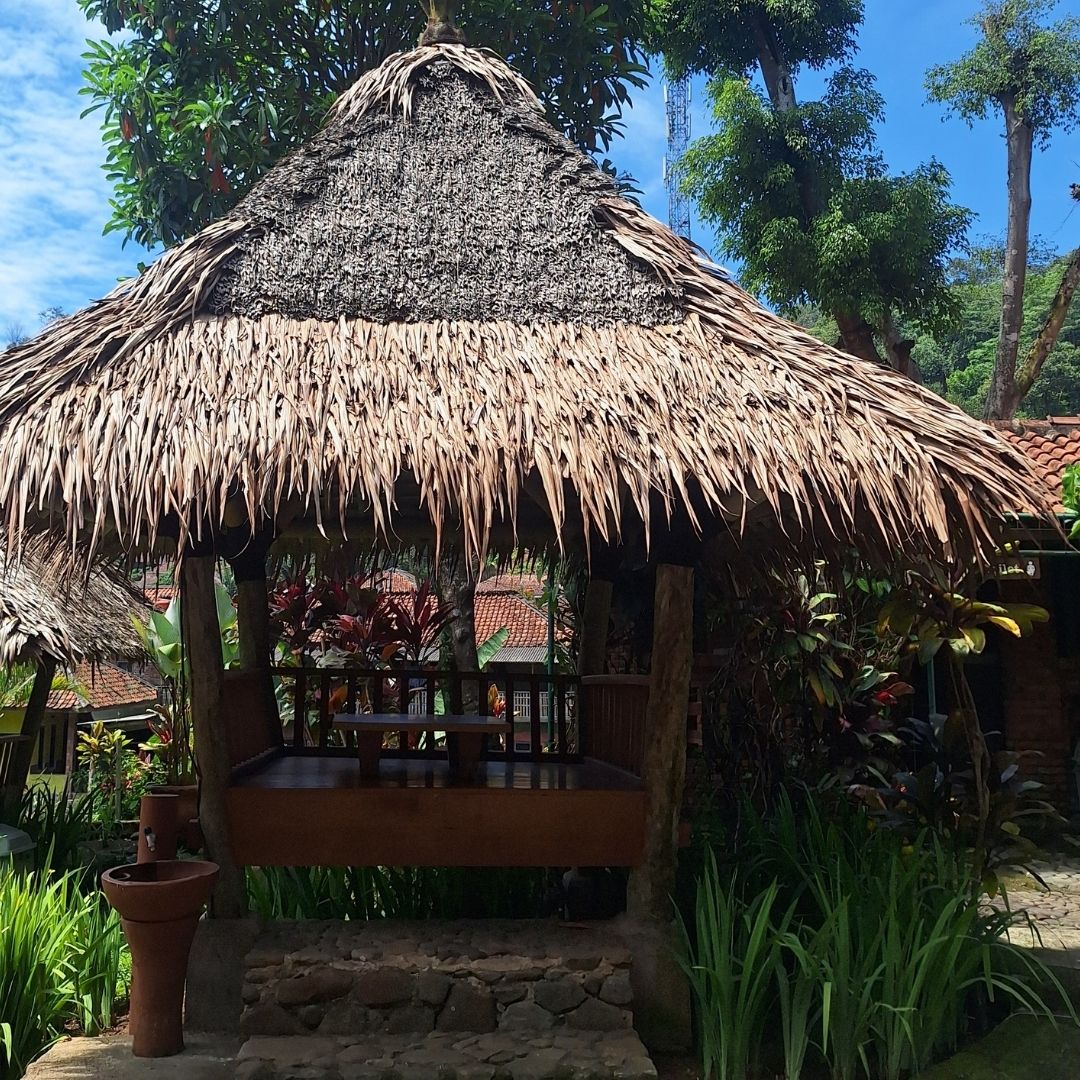
A Bali hut looks superb for about five summers. Then the thatch starts thinning on the weather side, the roof stops shedding water properly, and the whole thing goes from being the best part of the yard to the part you avoid looking at.
Gazebos travel the same road by a different route. Timber ones rot at the posts, steel ones rust at the joints, and neither failure announces itself until somebody leans on it.
Here is what is actually involved in getting one out of a Sydney backyard.

How a gazebo or Bali hut reaches the end
Shade structures fail from the ground up and from the weather side in, and the failure is nearly always in the same few places.
- Thatch rot: alang alang thatch has a working life, and once it thins the roof holds water instead of shedding it, which then rots the battens underneath.
- Post rot at ground level: timber posts go at the exact line where they meet soil or concrete, and the top of the post can look perfect while the base has gone.
- Rust at the joints: steel and aluminium gazebos give way at the bracket and bolt points long before the panels look bad.
- Salt air: closer to the coast the powder coating fails earlier and the fixings go first, which is why these jobs come up more often in the eastern and northern suburbs.
- Storm damage: a bad night takes the roof off something that was already three years past its best.
- Wildlife: thatch is ideal nesting material, so old huts pick up possums, rats, wasps and spiders, which is often the thing that finally forces the decision.
The pattern to watch for is a roof line that has started to sag in the middle. That usually means the battens are going, not just the thatch, and the structure is closer to the end than it looks from the back door.
What is involved in removing a Bali hut
A Bali hut comes down in the reverse order it went up, and the roof is the bulk of it.
The thatch comes off in sections, then the battens, then the roof frame, then the posts. The part people underestimate is the weight. Dry thatch is light. Thatch that has been holding water for a couple of seasons, with a layer of composted leaf litter through it, is very heavy and does not come off in tidy pieces. It also takes up far more room on a truck than the same weight of timber, which is why the volume of a hut roof matters more than its weight when working out the job.
The posts are usually the other question. Most huts have posts set into concrete footings, sometimes with a bracket at the base and sometimes buried straight in. Those either come out with the footing attached or get cut at ground level, and that decision is worth making before the day rather than during it.
What is involved in removing a gazebo
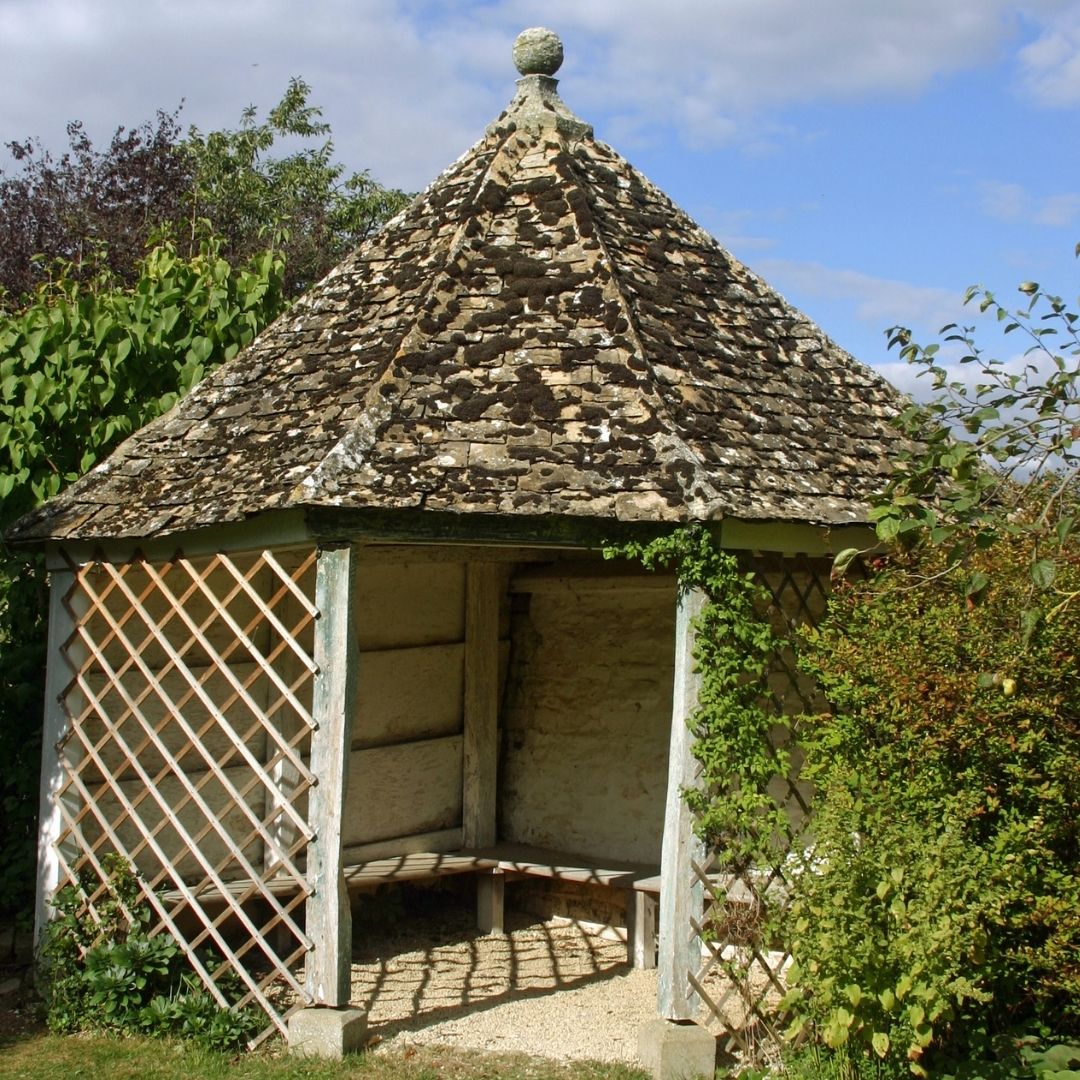
Freestanding gazebos are the straightforward version of this job. Nothing is tied into the house, so the structure can be worked from any side and dropped in sections.
Timber gazebos usually come apart at the roof panels first, then the beams, then the posts. Steel and aluminium ones are quicker in principle, but the fixings are the catch. Bolts that have been sitting in salt air for a decade rarely undo, so they get cut rather than unwound, and that changes the timing more than the size of the structure does.
Anything bolted into the house itself sits in a different category. A structure attached to the building is part of the building, and that is a conversation to have with a builder before anyone starts removing anything. Worth sorting out first, because it decides who does the work.
What else usually goes on the same truck
A hut or gazebo on its own does not fill a truck, and that is not really how these jobs run anyway. The structure is normally the centrepiece of a bigger backyard clear out, because whatever was living under the gazebo is generally in the same condition as the gazebo.
- The outdoor setting underneath: a table with a cracked top, chairs with perished webbing, and a sun lounge nobody has sat on since the roof started leaking.
- The old daybed or bar: the fittings that came with the hut and did not survive the weather.
- Broken pots and dead pot plants: the ring of them that always ends up around a shade structure.
- Green waste: the growth that took over once the area stopped being used.
- Timber and offcuts: the pile behind the hut from whichever repair happened last.
- Old shade sails, umbrellas and matting: perished fabric that goes with the same corner.
Sending all of it in one visit is the better arrangement. The structure and the clutter and the green waste travel together, and you get the corner back in a single go rather than in stages.
Timing a gazebo or Bali hut removal
Two things make a real difference to how the day goes.
The first is weather. Wet thatch is heavier, messier and slower to handle than dry thatch, so a run of dry days before the job is genuinely worth waiting for if your timeline allows it. If it does not allow it, the job still happens, it is just a bigger load than the same hut would be in February.
The second is what comes next. If a landscaper, a deck builder or a turf crew is booked, the removal wants to land far enough ahead that the footings and the ground can be dealt with properly. Clearing the structure the morning the next trade arrives leaves nobody any room to work.
Access, footings and what gets left behind
Worth mentioning when you call:
- The path out: side gate width, steps, and whether material has to come through the house or around it.
- What the posts are sitting in: pavers, concrete pads, or footings poured into the ground.
- Whether you want the footings out: removing them leaves holes, cutting them at ground level leaves a flatter finish.
- What is close by: a pool, a fence line or a neighbour’s plants all change the working space.
- Anything staying: a slab, decking or pavers you want kept rather than cleared.
A hut or gazebo is a two person job at minimum, both for the weight and because roof sections should not be dropped from height with one person underneath guessing.
Booking a gazebo or Bali hut removal in Sydney
This sits inside our backyard demolition and junk removal work, which covers freestanding structures and everything that has accumulated around them, and the plant growth from the same area travels with it under green waste removal.
Call and describe the structure: roughly how big, thatch or steel or timber, how the posts are set, and what else in the yard is going. That is enough to work out what the job looks like.
Two related reads: council hard waste compared with private junk removal, which explains why a hut roof is not a kerbside job, and how to get rid of a piano, which covers the same problem of an item that is awkward rather than simply heavy.
Frequently asked questions
Do you take the Bali hut thatch as well as the frame?
Yes, the whole structure goes. Thatch is the bulkiest part of a hut and it is worth flagging how old it is when you book, because thatch that has been holding water for a few seasons weighs considerably more and takes up more room than dry thatch. That affects the size of the load rather than whether the job can be done.
Can a gazebo be removed if it is right against the fence?
Usually yes, it just changes how the structure comes apart. With limited space on one side, the sections have to be worked and dropped toward the open side rather than lifted straight out. Mention it when you call, along with how far the structure sits from the boundary, and it can be planned for rather than discovered on the day.
What happens to the concrete footings the posts sit in?
Either they come out with the post, which leaves a hole to backfill, or the post is cut at ground level and the footing stays buried. Neither is automatically right. If turf, decking or paving is going in over the top, ask whoever is doing that work which they would prefer, then tell us before we start.
Is a rotted hut safe to leave standing while I organise things?
A sagging roof line is the signal to stop using the space underneath it. Thatch and battens fail gradually and then quickly, and the collapse tends to come after rain when the roof is at its heaviest. Keeping people and furniture out from under it while you organise the removal is the sensible position to take.
Do you clear the outdoor furniture and pots at the same time?
Yes, and it is better if you do. The furniture, pots, green waste and the structure all belong to the same corner of the yard, and clearing them together makes proper use of the truck. Getting one load done well is a better arrangement than booking a second visit for the things left behind.
Our Services
Get a free quote
Contact us today for a free, no-obligation quote and fast, reliable rubbish removal.