
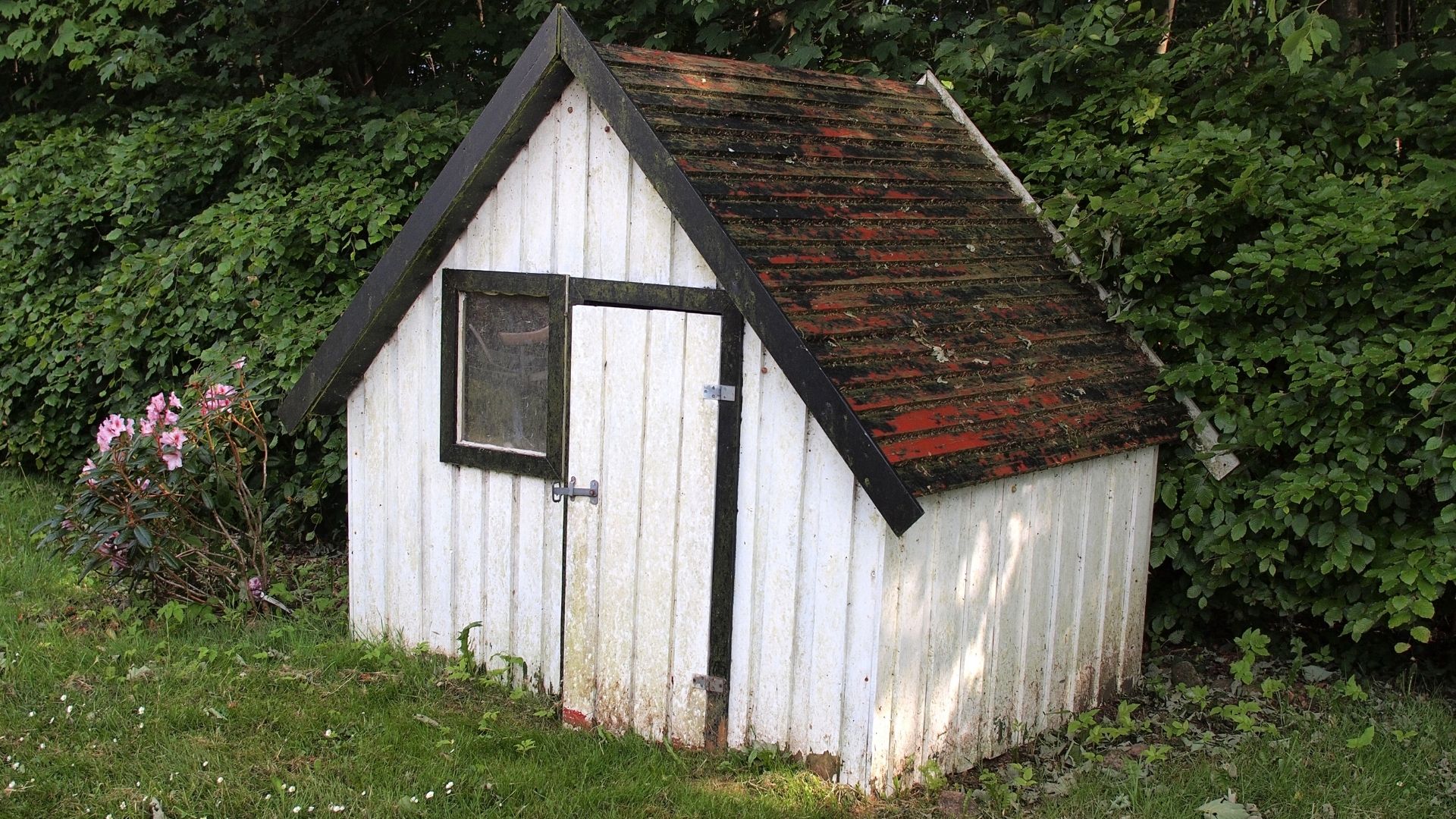
A cubby house has a fairly short working life. The kids are in it constantly for about four summers, then it sits there for another five, and then one day you put a foot on the platform and it gives slightly. That is usually the point someone starts looking up how to get rid of it.
Taking one down is not complicated work. It is heavier and more awkward than people expect, and once it goes, the corner of the yard it was hiding tends to need clearing too.
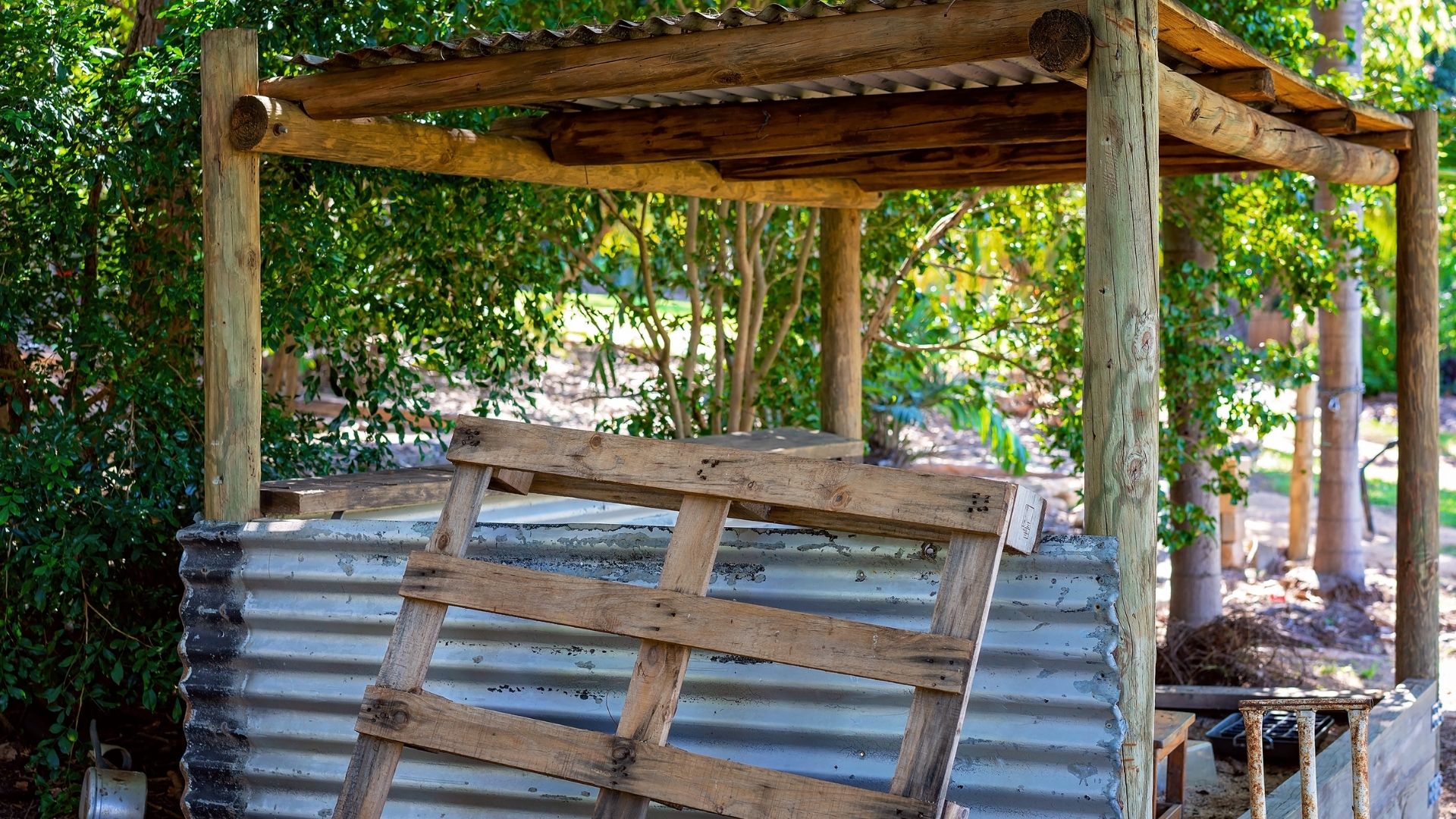
Why an old cubby house ends up coming down
The reason is almost never that the cubby is in the way. It is that it has quietly stopped being safe or stopped being used.
- The kids grew out of it: the youngest is at high school and nobody has opened the door in two years.
- Rot at ground level: treated pine goes soft where the legs meet soil or a garden bed, and it goes from firm to spongy faster than the rest of the structure.
- The platform has had it: decking boards cup, split along the grain and start throwing splinters, and the ladder rungs loosen at the fixings.
- The house is going on the market: an ageing cubby reads as work to do in listing photos, and agents often ask for it to go before the shoot.
- Landscaping or new turf is booked: the cubby, its footings and the softfall pit underneath all sit in the way of the new layout.
- Wildlife has moved in: wasps in the roof cavity and rats or possums under the platform are common once a cubby has been standing unused for a few years.
There is one more that catches people out at the worst possible moment. If the yard has a pool, certifiers in New South Wales look closely at whether anything climbable sits near the pool barrier, and a cubby, play fort or platform close to the fence line is a common thing to get flagged. If you are heading toward a pool certificate or a sale, it is worth raising with your certifier before you book anything, because it can change what needs to move and when.
What is actually involved in removing a cubby house
How hard the job is comes down to one thing: whether the cubby arrived flat packed or was built on site.
A kit cubby usually comes apart close to the way it went together. The panels are bolted, the bolts are accessible, and the whole thing can be reduced to a stack of timber in well under an hour. A cubby someone built themselves out of hardwood offcuts and bugle screws is a different afternoon. Those get nailed, screwed and then rebuilt three times over the years, and they come apart in pieces rather than panels.
The order is generally roof, then walls, then platform, then legs. The legs are the part worth asking about before the day. Some sit on pavers, some are bolted to small concrete pads, and some were set straight into a hole with concrete poured around them. Concreted legs either get dug out or cut off below ground level and covered, and which one you want changes what happens to that patch of lawn afterwards.
Swing sets, monkey bars and fort frames follow the same logic. Anything with a swinging load on it was almost certainly anchored, so there is usually concrete on the end of each leg.
What is sitting underneath the cubby house
This is the part most people forget to factor in, and it is often the heavier half of the load.
- Softfall bark or wood chip: years of it, half composted at the bottom, and heavy once it has taken up water.
- Sandpit sand: sand is deceptively heavy and it does not lift with a rake.
- Rubber softfall mats or tiles: usually pegged down and grown through with grass.
- Weed matting: torn, tangled through the bark and stapled to timber edging.
- Timber edging or sleepers: the border that held the softfall in.
- A concrete slab: less common, but it happens, and it changes the job.
Once that comes out you are left with a bare rectangle rather than lawn, so it is worth knowing what you plan to do with the space before the truck leaves.
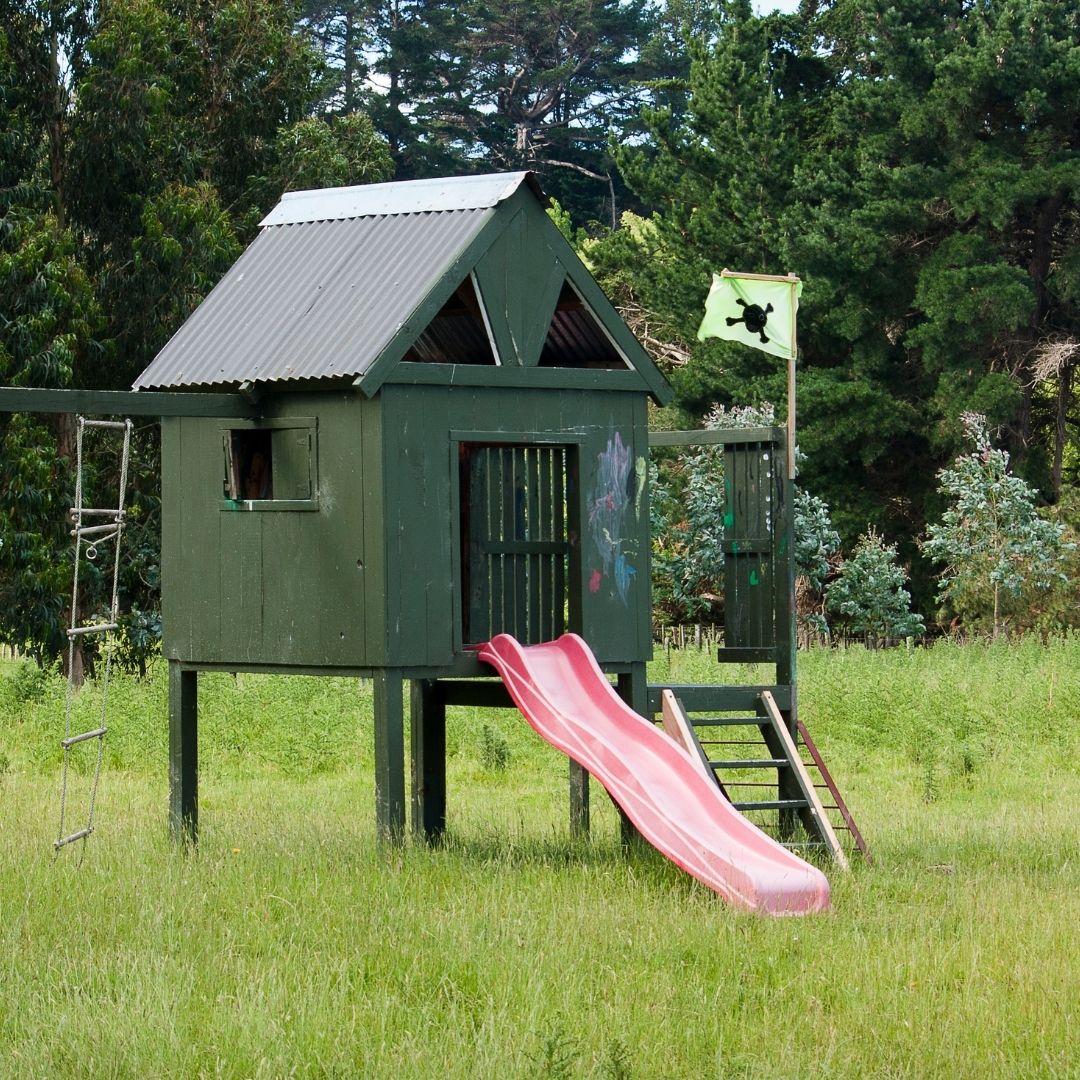
The cubby house is rarely the only thing going
In practice, almost nobody books a cubby removal on its own. The cubby is what finally prompted the call, and then the rest of the yard comes up in the conversation.
That is the sensible way to run it. Our trucks are set up for a proper load rather than one item, so the more of the yard that goes at once, the better the job works out. The things that typically go in the same load:
- The trampoline: rusted at the leg joints, mat perished, and it takes up more volume than the cubby did.
- The swing set or monkey bars: usually standing right next to the cubby and in the same condition.
- Old outdoor furniture: a setting with a cracked table top, bench seats and sun lounges nobody sits on.
- Broken pots and dead pot plants: the collection along the fence line that has been there since the last time the yard was tidied.
- Green waste from the same corner: the growth that took over once the cubby stopped being used.
- Old timber and offcuts: the pile behind the shed, which is often what the cubby was built from in the first place.
One decent clear out generally works out better than getting somebody back a second time for the things you noticed after the truck had gone.
Getting the yard ready before the removal
None of this is essential, but it makes the day shorter.
- Check the access: the side gate width, whether there are steps, and whether the path is pavers or lawn all decide how the timber gets out.
- Pull out anything still in use: bikes, scooters and pool toys stored inside the cubby have a habit of leaving on the truck.
- Sort the pets: gates stay open for a good while, so dogs are best inside or with a neighbour.
- Mention the fence line: if the cubby is tight against a boundary fence, say so, because the working space changes how it comes apart.
- Say what you want left: if you would rather the concrete footings stayed in the ground, that is worth flagging before anyone starts digging.
What happens to the timber and the rest of the load
The load gets sorted rather than tipped in one heap. Metal from swing frames and trampolines goes one way, clean timber goes another, plastics and perished mats go where they have to.
One thing worth saying plainly, because it comes up every time somebody offers to take the timber off your hands for firewood. Treated pine, which is what most cubbies, play sets and garden edging are made from, should not be burned. Burning it concentrates the preservative chemicals into the ash and the smoke, and it is not something to put in a fire pit or a wood heater. It is a disposal job, not free firewood.
Booking a cubby house removal in Sydney
If the cubby has reached the end and the rest of the corner needs to go with it, our backyard demolition and junk removal service covers this across Sydney, and the green growth that has taken over around it can go on the same truck under green waste removal.
Ring and describe what is there, including whether the legs are concreted and what is underneath the cubby, and you will get a straight answer about how the job runs.
Two related reads if you are weighing up your options: council hard waste compared with private junk removal, which is worth understanding before you stack anything on the kerb, and skip bag compared with a skip bin if you would rather fill something yourself over a weekend.
Frequently asked questions
Do I need to dismantle the cubby house before you arrive?
No. Taking it apart is part of the job and it is usually quicker for us to do it than for you to start it and get halfway. If you have already begun and there is a stack of timber and panels sitting in the yard, that is fine too. Just mention on the phone which of the two situations we are walking into.
Can you remove the trampoline and swing set at the same time?
Yes, and that is the way it usually goes. A cubby, a trampoline, a swing set and the softfall underneath all belong to the same corner of the yard and the same load. Grouping them into one visit is more sensible than getting a truck out twice, and it makes better use of the space on the truck.
What happens to the concrete footings under the legs?
It depends on what you want. They can be dug out, which leaves holes to backfill, or cut off below ground level and covered over, which leaves the lawn easier to repair. If turf or landscaping is going in afterwards, the landscaper may have a preference, so it is worth asking them first and telling us what they said.
Will the sandpit sand and softfall bark go on the same truck?
Yes. Sand and old softfall are heavy and take up real volume, so they are worth mentioning when you book rather than leaving as a surprise on the day. If there is a lot of it, that is a normal part of the job, it just needs to be counted in when we work out the size of the load.
How much notice do you need for a cubby house removal?
Usually not much. Call and describe the structure, what is underneath it and what else in the yard is going, and we will tell you what is available. If you are working to a deadline, such as photos for a listing or a landscaper starting, say so up front so the date gets locked to the thing that actually matters.

Our Services
Get a free quote
Contact us today for a free, no-obligation quote and fast, reliable rubbish removal.